In our previous blog, we explored the Review & Approval stage - the phase where contracts must pass through compliance, legal checks, financial scrutiny, and stakeholder sign-off before they can be finalized.
Now, we move into the next critical chapter of the CLM lifecycle: Administration & Execution - the phase where a signed contract becomes an active, trackable, and secure business asset.
Many teams believe the work ends once signatures are collected.In reality, this is where contract performance truly begins.
The post-signature phase is about securing the contract, ensuring compliance, activating obligations, and enabling clear visibility for every stakeholder.
Let’s explore why this stage is vital, where organizations commonly face breakdowns, and how Jira and marketplace tools can support smooth execution without adding complexity.
Why the Post-Signature Stage Matters
A contract becomes valuable after it’s signed - when teams can store it securely, monitor performance, and track obligations. Effective administration and execution ensure:
- Signed documents are stored in one place
- Access is controlled
- Obligations and milestones are visible
- Renewals and expirations are not missed
- Compliance is always traceable
- Teams act based on accurate, up-to-date information
Without structure, even a perfectly negotiated and approved contract risks becoming a liability.
Common Breakdowns After a Contract Is Signed
Despite their importance, post-signature workflows often lack formal processes.
1. Signed Contracts Get Lost or Scattered
Stored across email threads, personal drives, and shared folders - never centralized.
2. No Reliable Audit Trail
Missing or incomplete logs of who signed, accessed, or changed the document.
3. Inconsistent Access Control
Either too many people can view the contract, risking exposure, or too few can, causing delays.
4. No Activation Workflow
Key tasks like onboarding, payment setup, deliverable tracking, or renewal monitoring often rely on manual follow-ups.
5. Key Dates Go Untracked
Renewals, obligations, performance checkpoints, and expirations slip through the cracks.
These gaps create operational risk, financial exposure, and compliance challenges - especially at scale.
Best Practices for Secure E-Signatures
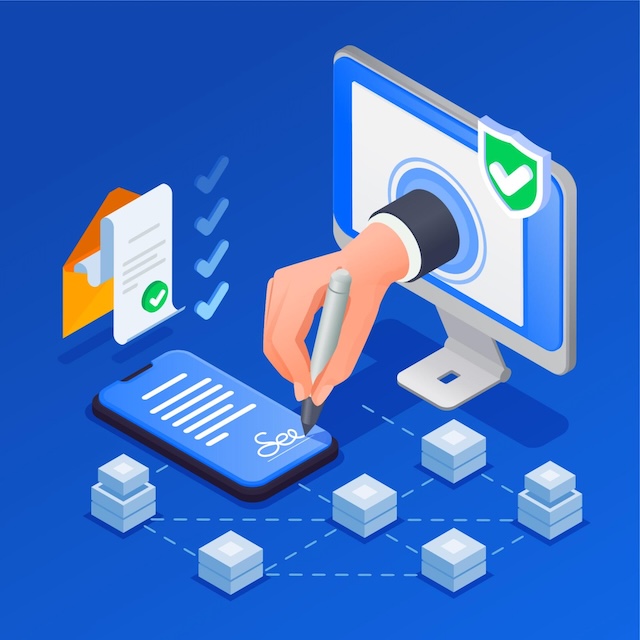
A signature isn’t just an action - it’s a legal, security, and compliance event. Ensuring proper e-signature hygiene is foundational.
Use Legally Compliant E-Signature Methods
Standards such as:
ensure signatures are valid and tamper-resistant.
Verify the Signer’s Identity
Strong authentication methods include:
- OTP verification
- Email confirmation
- ID validation
- IP and device logs
Maintain a Complete Audit Trail
A proper audit trail must record:
- Who signed
- When
- From where (IP/device)
- Any actions taken before or after signing
- Document hash for tamper detection
Encrypt the Final Document
Encryption ensures that once signed, the document cannot be changed.
Secure signatures form the foundation of secure execution.
Building a Single Source of Truth for Signed Contracts

Once signed, every contract must be stored in one authoritative repository.
A reliable repository ensures:
- No duplicate versions
- No missing documents
- Easy search and retrieval
- Proper metadata tagging
- Centralized access management
- Consistent governance
Mature CLM programs store contracts with metadata such as:
- Parties involved
- contract value
- Effective & renewal dates
- Obligations and deliverables
- Linked records (POs, tasks, documents)
The repository becomes the operational source of truth for the entire organization.
The Role of Audit Trails and Access Control
Strong post-signature governance depends on these two pillars.
Audit Trails Protect Compliance
Audit logs should include every action on the contract:
- Uploads
- Downloads
- Changes
- Access attempts
- Role updates
- Comment activity
These logs are invaluable during:
- Legal disputes
- Regulatory audits
- Internal reviews
- Renewal or amendment cycles
Access Control Protects Sensitive Data
Role-based access control (RBAC) ensures the right teams have the right visibility.
Common access patterns:
- Legal → full access
- Finance → financial terms
- Procurement → vendor obligations
- Sales/Account teams → customer-facing sections
- Executives → summaries
- External parties → restricted/limited views
This prevents exposure while enabling efficient execution.
How Jira & Marketplace Tools Support Post-Signature Execution
While Jira doesn’t manage e-signatures, it’s highly effective in the execution side of post-signature workflows when paired with marketplace tools or native Jira features.
1. Contract Activation Using Jira Workflows
Once a contract is signed, Jira can automatically trigger:
- Task assignments
- Onboarding workflows
- Vendor/customer setup steps
- Compliance checks
- Internal approval loops
- SLA or deliverable monitoring
Jira workflows convert a signed document into actionable work.
2. Obligation & Milestone Tracking
Teams can track:
- Renewal dates
- Expiration periods
- Deliverable deadlines
- Payment milestones
- Performance commitments
Dashboards and SLA timers keep obligations from slipping.
3. Linking Contracts to Work Items
contracts can be linked to:
- Issues
- Tasks
- Sub-tasks
- Change requests
- Procurement or onboarding tickets
This connects contractual obligations directly to real operational work.
4. Using Marketplace Add-ons for Storage & Governance
Marketplace tools help with:
- Document storage
- Role-based access
- Metadata management
- Automated reminders
- Document versioning
- Renewal notifications
- Custom dashboards and reporting
These tools enhance Jira’s capabilities without requiring a separate CLM system .
5. Full Visibility Through Jira Dashboards
Teams gain real-time insight into:
- contract status
- Obligations due
- Renewal cycles
- Execution progress
- Linked tasks and blockers
Jira becomes the execution hub where contract performance is monitored end-to-end.
Conclusion: Signatures Start the Contract, Not End It
A signed contract is not the finish line - it’s the starting point of the real work.
The Administration & Execution stage ensures that:
- contracts are stored securely
- Access is controlled
- Actions are traceable
- Obligations are activated
- Renewals and milestones stay visible
- Teams can execute commitments without confusion
With structured repositories, robust audit trails, proper access control, and workflow-driven execution inside Jira, organizations can transform signed contracts into clear, trackable, and value-generating business operations.
The next blog in this series will explore how active contracts transition into ongoing performance, monitoring, and obligation management.
So stay connected for the next blog in the series!